
Pareto Diagram: How to Prioritize Problems and Turn Analysis into Results
The Pareto chart identifies the causes with the greatest impact on corporate problems and supports more precise decisions about priorities, resources, and execution.


The Pareto chart identifies the causes with the greatest impact on corporate problems and supports more precise decisions about priorities, resources, and execution.

Improvements for companies require integrated management, strategic execution, and data-driven decisions to elevate performance, efficiency, and competitiveness.

The PDCA tool structures planning, execution, and continuous improvement, making corporate management more disciplined, strategic, and results-oriented.

In a business context, agility goes beyond methods; it's about aligning execution, strategy, and results with governance and a focus on value.

The types of artificial intelligence define how companies analyze data, predict scenarios, and make strategic decisions with measurable impact.

In growing companies, improvisation ceases to be an option. It is precisely in this context that Standard Operating Procedures (SOPs) gain prominence. In this guide, you will learn how to structure, apply, and evolve your SOPs in practice, avoiding common mistakes and connecting operations with results.

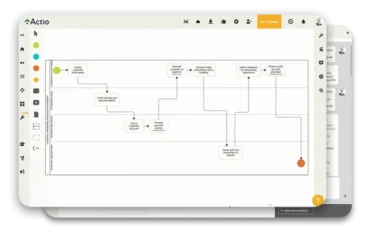
Learn how to extract value from process flowcharts, using them as a governance tool to make decisions, bottlenecks, and flows visible, connecting execution, strategy, and operational efficiency.
Understand how process mapping enables structuring and optimizing process management, increasing efficiency, control, and strategic alignment in organizations.

Technical guide on Sales and Operations Planning (S&OP): components, maturity, governance, and the link to corporate strategy execution.

The Pareto chart identifies the causes with the greatest impact on corporate problems and supports more precise decisions about priorities, resources, and execution.

Improvements for companies require integrated management, strategic execution, and data-driven decisions to elevate performance, efficiency, and competitiveness.

The PDCA tool structures planning, execution, and continuous improvement, making corporate management more disciplined, strategic, and results-oriented.

In a business context, agility goes beyond methods; it's about aligning execution, strategy, and results with governance and a focus on value.

The types of artificial intelligence define how companies analyze data, predict scenarios, and make strategic decisions with measurable impact.

In growing companies, improvisation ceases to be an option. It is precisely in this context that Standard Operating Procedures (SOPs) gain prominence. In this guide, you will learn how to structure, apply, and evolve your SOPs in practice, avoiding common mistakes and connecting operations with results.

Learn how to extract value from process flowcharts, using them as a governance tool to make decisions, bottlenecks, and flows visible, connecting execution, strategy, and operational efficiency.
Understand how process mapping enables structuring and optimizing process management, increasing efficiency, control, and strategic alignment in organizations.

Technical guide on Sales and Operations Planning (S&OP): components, maturity, governance, and the link to corporate strategy execution.

The Pareto chart identifies the causes with the greatest impact on corporate problems and supports more precise decisions about priorities, resources, and execution.

Improvements for companies require integrated management, strategic execution, and data-driven decisions to elevate performance, efficiency, and competitiveness.

The PDCA tool structures planning, execution, and continuous improvement, making corporate management more disciplined, strategic, and results-oriented.

In a business context, agility goes beyond methods; it's about aligning execution, strategy, and results with governance and a focus on value.

The types of artificial intelligence define how companies analyze data, predict scenarios, and make strategic decisions with measurable impact.

In growing companies, improvisation ceases to be an option. It is precisely in this context that Standard Operating Procedures (SOPs) gain prominence. In this guide, you will learn how to structure, apply, and evolve your SOPs in practice, avoiding common mistakes and connecting operations with results.

Learn how to extract value from process flowcharts, using them as a governance tool to make decisions, bottlenecks, and flows visible, connecting execution, strategy, and operational efficiency.
Understand how process mapping enables structuring and optimizing process management, increasing efficiency, control, and strategic alignment in organizations.

Technical guide on Sales and Operations Planning (S&OP): components, maturity, governance, and the link to corporate strategy execution.