
Managing a business is no easy task. In the face of growing complexity, companies rely on tools and methodologies to boost performance and results. One standout approach is OKRs—a goal-setting system gaining traction in the digital transformation era and in the push for corporate accountability. In this blog, you'll discover how OKRs go beyond performance management to drive engagement, innovation, and measurable impact.
Enjoy the read!
OKR: Objectives and Key Results Objectives and Key-results
OKR stands for “Objectives and Key Results,” In Portuguese, the name would be "objectives and key results". This is a methodology that emerged in the 1970s at Intel, a computer processor company, by the CEO at the time, Andy Grove. At the time, it had not yet been given this name, but since then, with the impetus of the person most responsible for its diffusion, John Doerr, an investor in Google, it has been adopted as a goal-setting system that combines clarity, focus and measurement. The structure is based on two elements:
- Objective:What we want to achieve (clear and qualitative)
- Key Results:How we know we’re getting there (measurable)
What sets OKRs apart is their simplicity, transparency, and short cycles—typically quarterly—which enable rapid adjustments and greater team engagement. In fast-paced, ever-changing environments, OKRs serve as a “strategic glue” connecting all levels of an organization.

Challenges and Best Practices
Despite their intuitive structure, implementing OKRs effectively requires attention. A common pitfall is overly top-down management, where goals are imposed without team input, reducing engagement. The most successful OKR models combine strategic direction with bottom-up participation, fostering alignment and ownership.
Another frequent issue is setting vague or low-impact goals, especially in areas like ESG and diversity. The key is to define clear indicators and monitor progress consistently. Additionally, misalignment with organizational culture can undermine results—agile companies tend to thrive with shorter cycles, continuous review, and collaborative dashboards.
Real-World OKR Examples
✅Corporate Reputation
- Objective: Establish the brand as a leader in sustainable practices.
- KR 1: Achieve a 30% increase in positive mentions in reputation rankings in H2.
- KR 2: Reduce image crises by 20% through proactive responses on social media.
✅Diversity and Inclusion
- Objective: Build a more diverse and inclusive organizational culture.
- KR 1: Increase minority representation in leadership roles by 25%.
- KR 2: Conduct 3 workshops focused on awareness and active listening.
✅Innovation and AI
- Objective: Integrate generative AI to enhance internal processes.
- KR 1: Implement at least two automated workflows using AI by quarter-end.
- KR 2: Train 80% of the team in basic generative AI tools.
Strategic Management with Actio Strategic Management
For OKRs to be more than mere statements of intent, it's essential to have platforms that integrate planning, execution, and real-time monitoring. Actio Strategic Management is software developed precisely to facilitate strategic management.
With an intuitive and highly customizable interface, Actio Strategic Management facilitates the definition and tracking of OKRs through clear visualizations organized by level, team, and cycle. Additionally, it allows for the integration of OKRs with other frameworks, such as the Balanced Scorecard (BSC), ESG goals, action plans, and operational indicators, promoting more cohesive and strategic management.
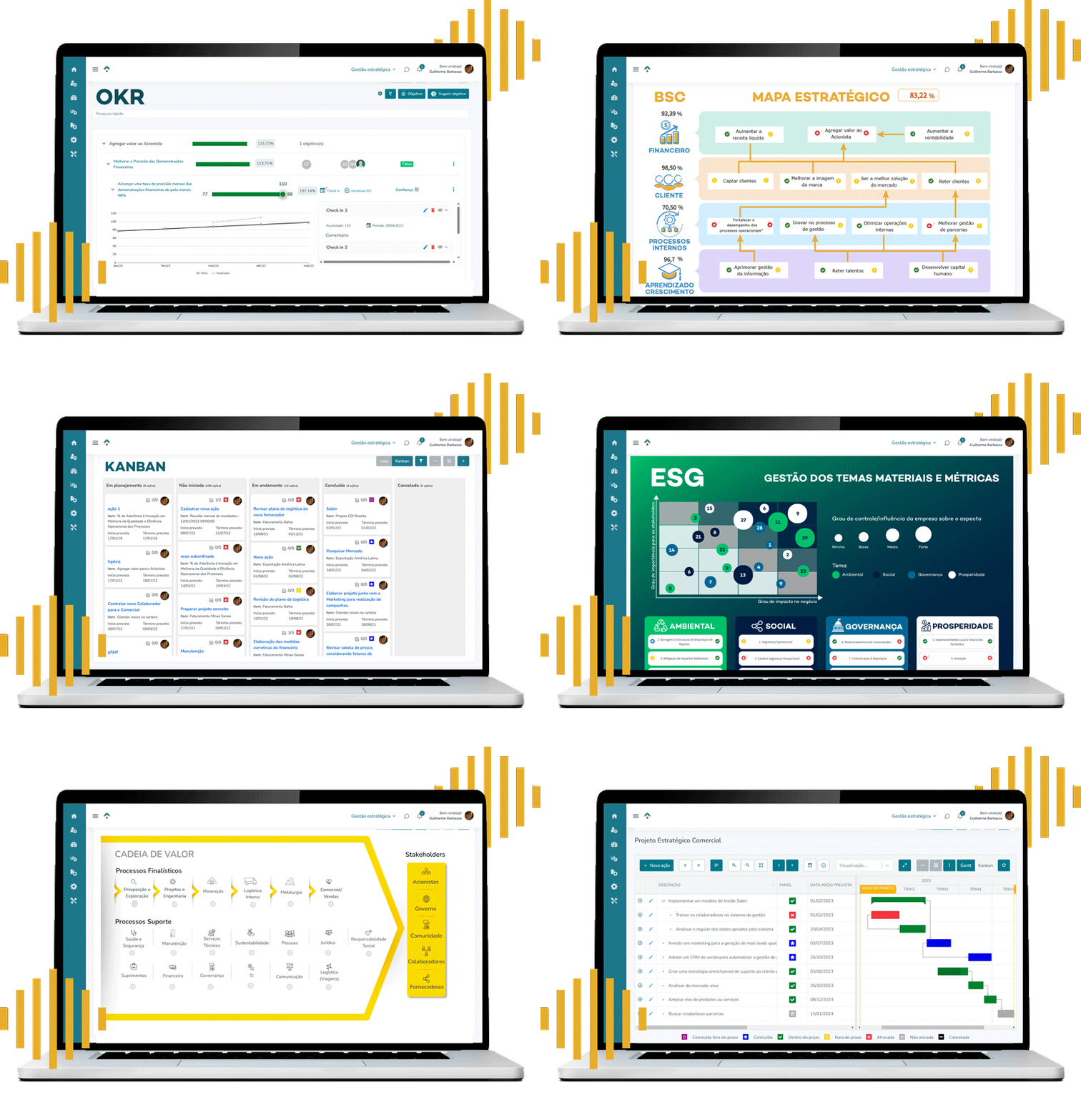
The platform also encourages frequent check-ins and fosters a data-driven feedback culture. By consolidating multiple management plans and tools into a single platform, Actio Strategic Management contributes to greater efficiency, organizational alignment, and evidence-based decision-making.
By using Actio Strategic Management, companies gain agility and coherence between what was planned and what is actually executed. This makes OKRs not just a control tool, but a catalyst for transformation, engagement, and real business value.
Follow us on our socials — LinkedIn, Facebook and Instagram – to access more informative and practical content for your daily life.

