
Na rotina de um executivo, poucos ativos são tão escassos quanto foco. E nada dispersa mais do que um dashboard lotado de indicadores que não dizem nada sobre o que realmente importa. Definir KPI’s relevantes virou um diferencial competitivo — não por ser complexo, mas por exigir clareza estratégica em tempos voláteis. Este blog mostra como identificar os indicadores que orientam decisões de alto impacto, não apenas relatórios bonitos.
Enjoy the read!
Relevant KPIs: What Truly Guides High-Performance Companies
Periodic KPI review is often linked to success stories documented in studies by FGV Brazil. Research like “Knowledge and Use of Marketing Metrics” shows that C-Levels who consistently track KPIs such as ROI, EBITDA and Market Share outperform in EBITDA growth, profit margins and customer retention.
The issue isn’t lack of data — it’s data overload. Many organizations track dozens of KPIs per department. Yet, according to Gartner (2023), companies that focus on 5 to 10 key KPIs per management level report 35% higher strategic clarity.
KPIs and Culture: When Management Becomes Shared Language

The effectiveness of KPIs is inseparable from organizational culture. In mature companies, indicators are not just a finance or performance duty — they become part of the business narrative. Executives at BRF and Gerdau, for example, use KPIs like ROI and Strategic Goal Achievement in executive rituals, directly influencing portfolio and resource allocation decisions.
In low-discipline cultures, KPIs become noise: either irrelevant, manipulated, or ignored. The solution lies in leadership that turns metrics into tools for continuous learning.
From Metrics to Impact: How Actio Structures KPIs with Variable Compensation
At Actio, the Variable Compensation Management module directly connects strategic KPIs to both individual and team performance. The logic is simple: if a KPI doesn’t impact bonuses or resource allocation, maybe it’s not relevant enough to be on the executive dashboard.
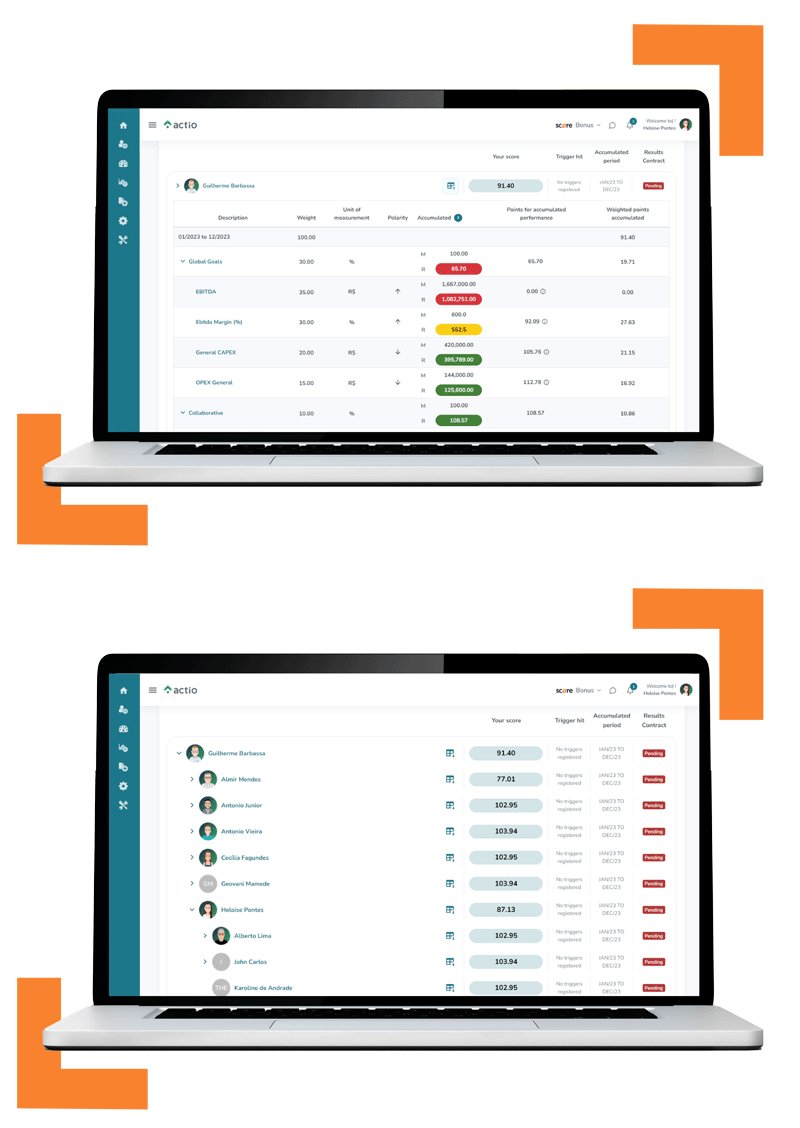
The platform allows you to set calculation rules based on strategic goals, automate updates with consolidated data and generate reports segmented by area, hierarchy, and quarterly cycles. This ensures not just traceability — but clarity on what the company truly values and rewards.
KPIs That Matter: What to Take to the Board
Defining relevant KPIs is not about spreadsheets — it's about making strategic choices. High-performing executives know that what gets measured gets prioritized. And what gets prioritized must have strategic meaning.
Pratical KPI Checklist:
- Is this KPI directly tied to a strategic objective?
- Are the data sources reliable and frequently updated?
- Can different levels of the organization understand and act on it?
- Does the metric drive decisions — or just inform?
- Is it clear what changes if the goal is met — or missed?
Follow us on LinkedIn to get weekly access to valuable insights for your business journey.